

About
Yujie Zhou
I am Yujie Zhou, a product designer and HCI researcher. My research focuses on smart hardware design , grasshopper and fabrication.
I am currently conducting research at the Engineering Research Center of Computer-Aided Product Innovation Design at Zhejiang University, Ministry of Education. I received my BA in Industrial Design from Beijing Institute of Fashion Technology.
Loading graph...
100%
Project
Tag
Area


Recent News
03 Selected Notes
Research
Fabrication systems, conductive structures, and interactive hardware experiments that bridge material research with embodied use.

research
01
VoluBridge
VoluBridge: Design and Fabrication of Volumetric Island-Bridge Structures for Rigid-Flexible Electronics
Zhou Yujie
March 1, 2026

01
VoluBridge
01
VoluBridge
VoluBridge: Design and Fabrication of Volumetric Island-Bridge Structures for Rigid-Flexible Electronics
Zhou Yujie
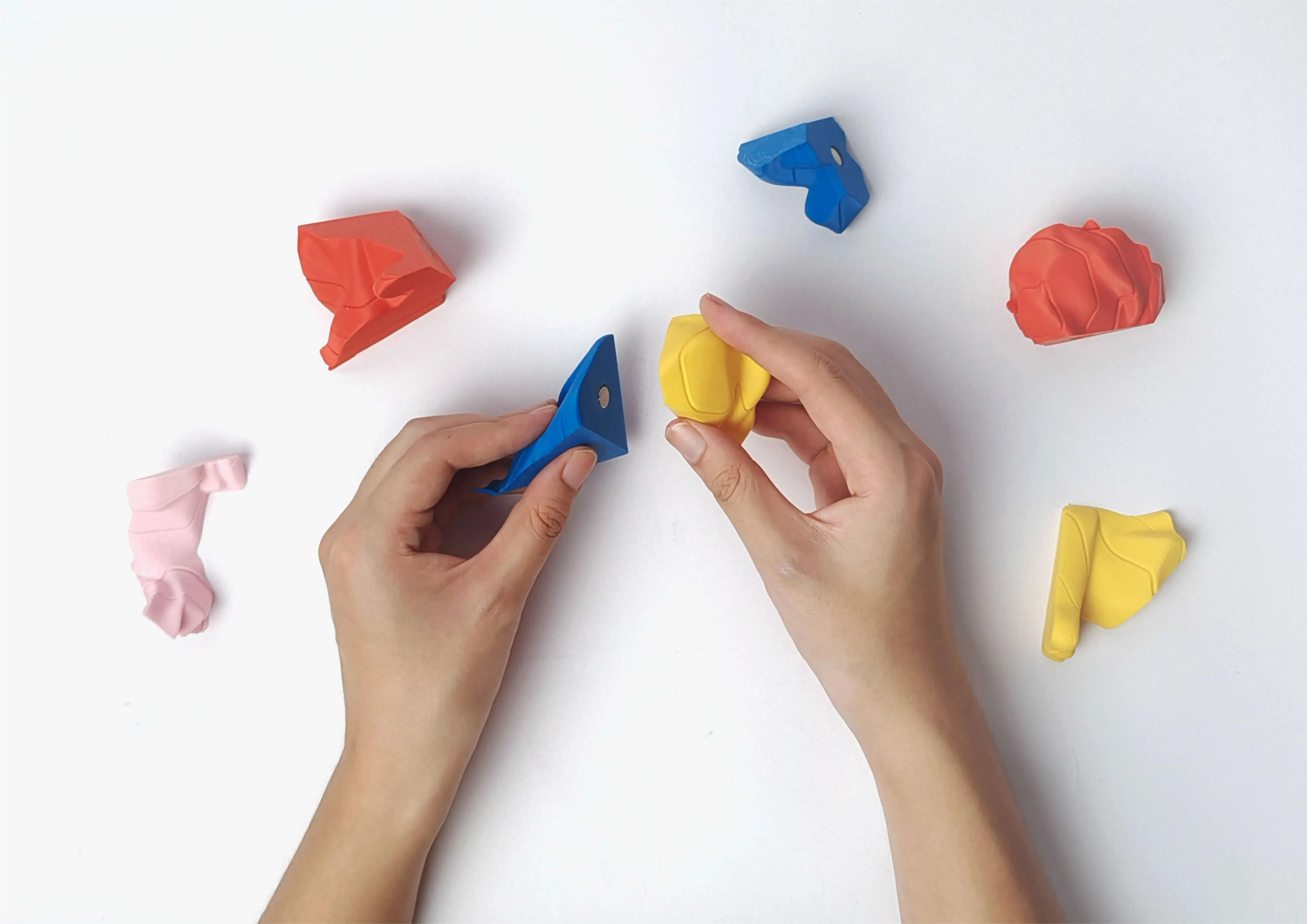
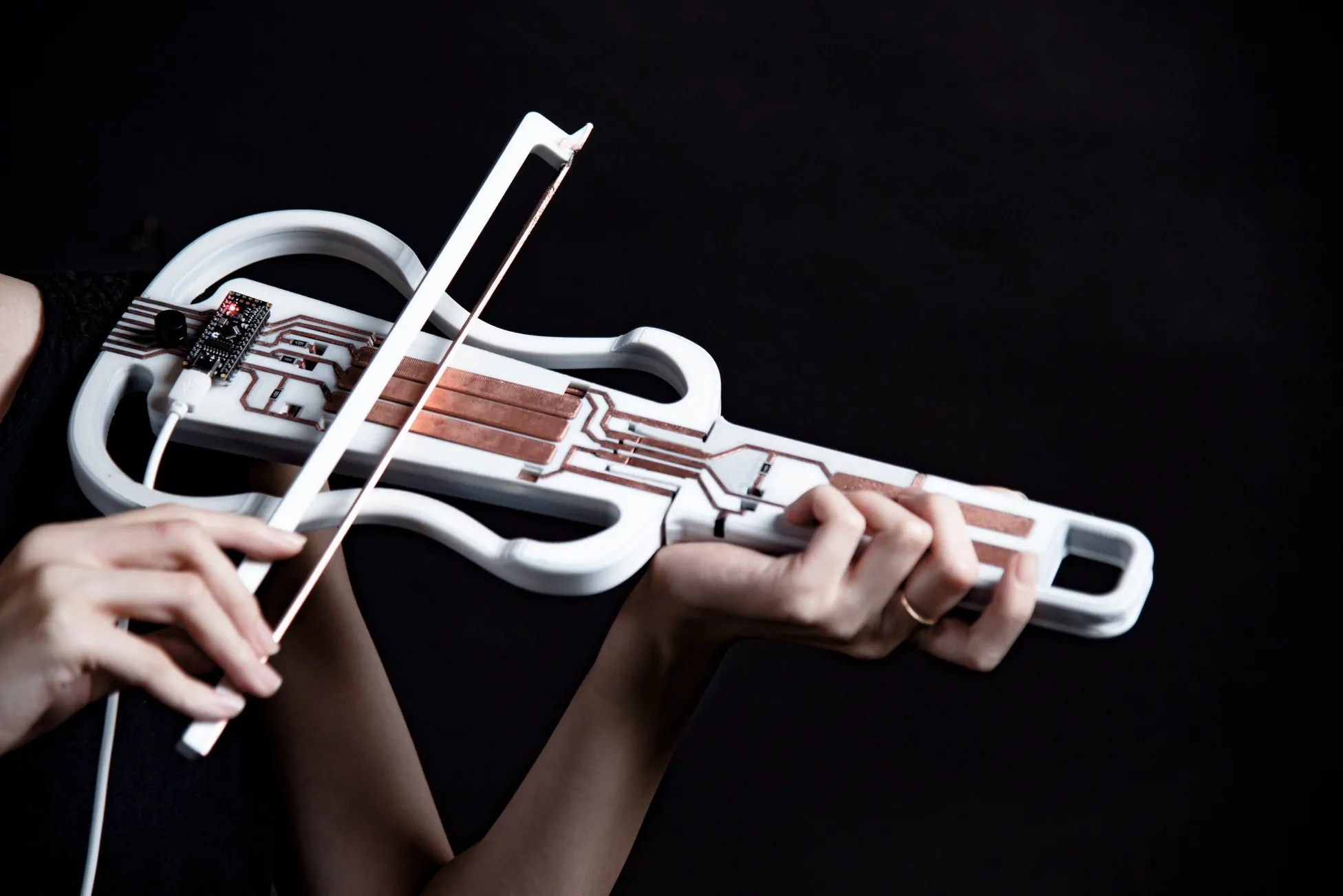
Despite significant advances in the personal fabrication of flexible interactive devices, it remains challenging to simultaneously achieve geometric complexity, robust circuit integration, and mechanical performance, including deformability and load-bearing capacity. Existing rigid solutions lack conformability and kinematic freedom, while soft electronics (e.g., silicone-based or thin-film systems) inherently lack structural stiffness, limiting their geometric complexity as well as their ability to support complex three-dimensional routing and self-supporting forms. This paper investigates how mechanical compliance and electronic stability can be decoupled within a monolithic structure, enabling complex three-dimensional self-supporting forms with controllable motion freedom and reliable circuit integration. We propose VoluBridge, a fabrication framework for monolithic volumetric Island–Bridge structures. Rigid “Islands” anchor omnidirectional electronic components to ensure stability, while “Bridges” employ topological routing to transform tough nylon resin into anisotropic compliant mechanisms. We further introduce three bridge primitives that enable conformability, stretchability and bending, and freeform routing, respectively. To realize VoluBridge, we present a fabrication-aware design tool and a workflow that combines consumer-grade LCD stereolithography with a warm-water-bath-assisted Field’s metal injection process. Evaluations show stable electrical connectivity under deformation with strong electromechanical fatigue performance. The applications demonstrate complex volumetric forms with integrated electronic interactions, expanding the interactive design space.

02
E-Joint
02
E-Joint
E-Joint: Fabrication of Large-Scale Interactive Objects Assembled by 3D Printed Conductive Parts with Copper Plated Joints
Xiaolong Li, Cheng Yao, Shang Shi, Shuyue Feng, Yujie Zhou, Haoye Dong, Shichao Huang, Xueyan Cai, Kecheng Jin, Fangtian Ying, Guanyun Wang
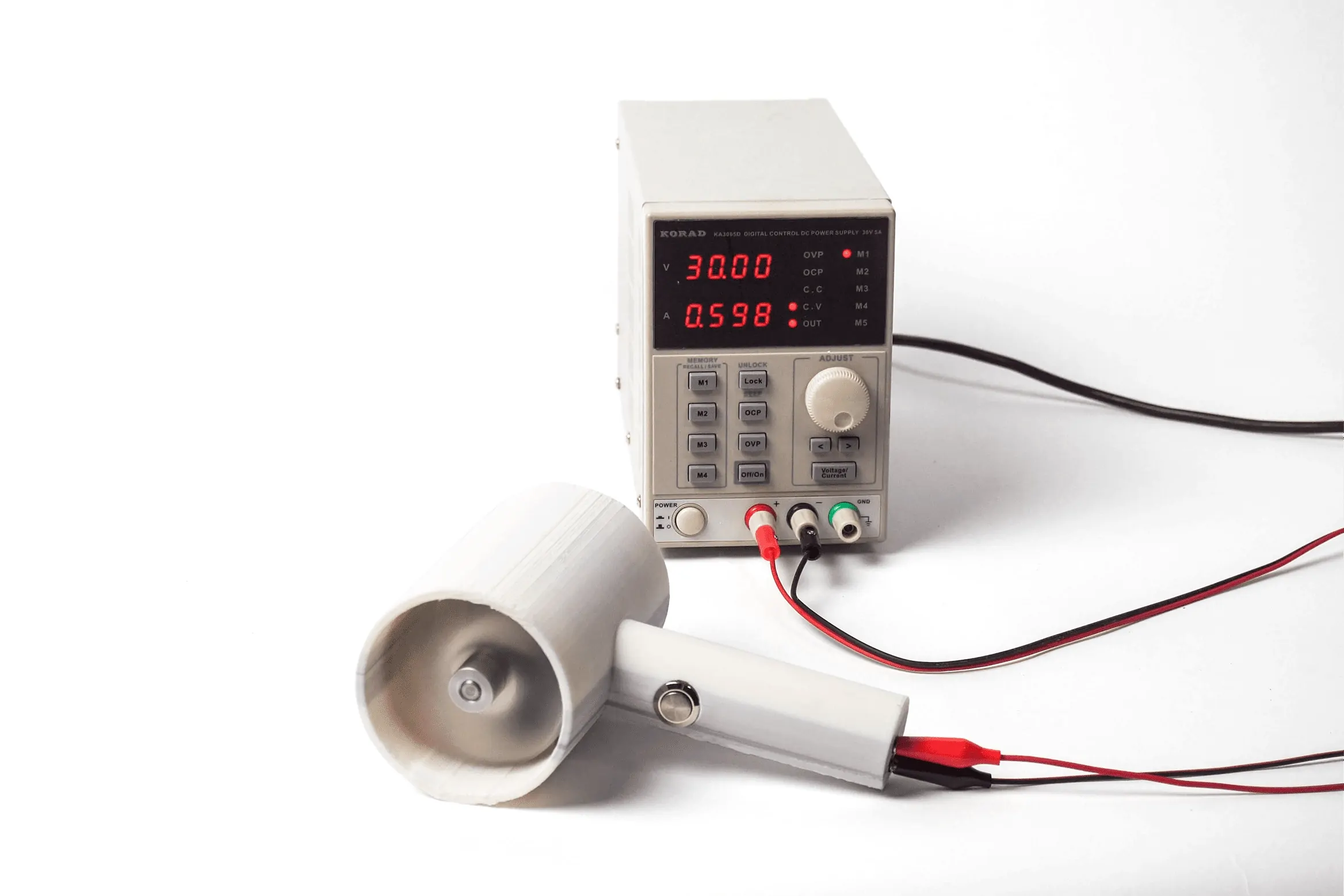
The advent of conductive thermoplastic flaments and multi-material 3D printing has made it feasible to create interactive 3D printed objects. Yet, challenges arise due to the volume constraints of desktop 3D printers and the high resistive characteristics of current conductive materials, making the fabrication of large-scale or highly conductive interactive objects can be daunting. We propose E-Joint, a novel fabrication pipeline for 3D printed objects utilizing mortise and tenon joint structures combined with a copper plating process. The segmented pieces and joint structures are customized in software along with integrated circuits. Then electroplate them for enhanced conductivity. We designed four distinct electrifed joint structures in the experiment and evaluated the practical feasibility and efectiveness of fabricating pipes. By constructing three applications with those structures, we verifed the usability of E-Joint in making large-scale interactive objects and showed the path to a more integrated future for manufacturing.

03
Intercircuit
03
Intercircuit
Intercircuit: Electroplating with Cavities for Fast Fabrication of Complex and High-Performance 3D Circuits
Xiaolong Li, Cheng Yao, Yujie Zhou, Shuyue Feng, Zhengke Li, Yiming Cheng, Shichao Huang, Haoye Dong, Mengru Xue, Guanyun Wang
In Human-Computer Interaction, multi-material 3D printing is increasingly recognized for its capacity to produce conductive interactive objects. While various fabrication techniques have emerged in this domain, achieving the integration of highly conductive 3D structures within printed objects continues to pose a significant technical hurdle. Our study introduces Intercircuit, a novel integrated technique developed explicitly for fabricating highly conductive interactive objects. This method employs multi-material printing to form unified components along with their embedded structures of lower conductivity, enhancing conductivity through targeted plating. Distinct from traditional multi-material printing and surface conductivity augmentation methods, the Intercircuit method facilitates the creation of complex 3D circuitry while ensuring superior conductivity. Furthermore, this study introduces a supportive design tool aimed at aiding users in crafting conductive frameworks. Moreover, the practical application of this method is further elucidated through a series of case studies.
03 Selected Notes
Design & Code
Products, tools, and software prototypes shaped by interaction quality, manufacturability, and narrative visual detail.

design
01

Obsidian-EagleBridge
Yujie Zhou
December 3, 2025

02
Invisible
02
Invisible
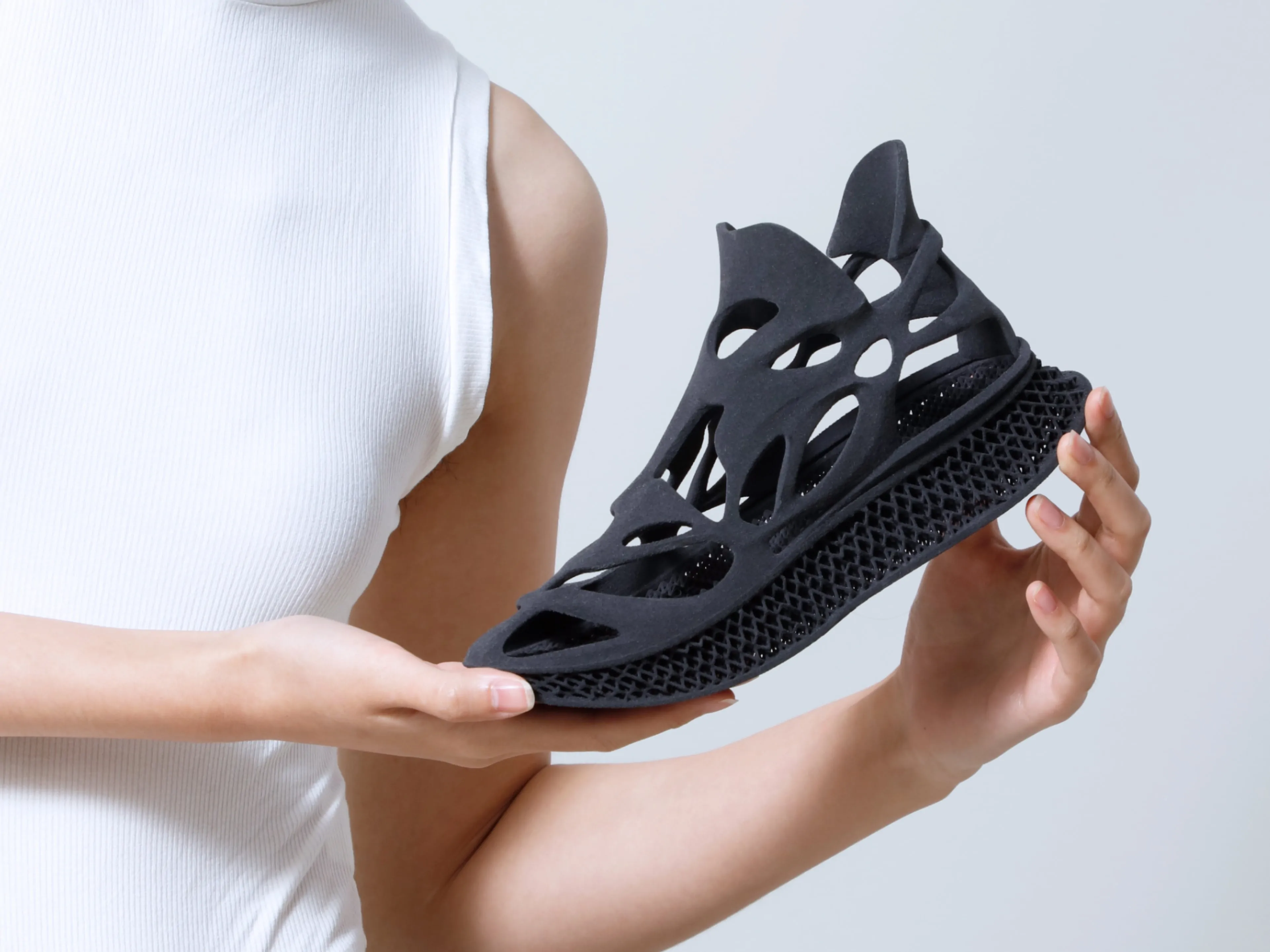
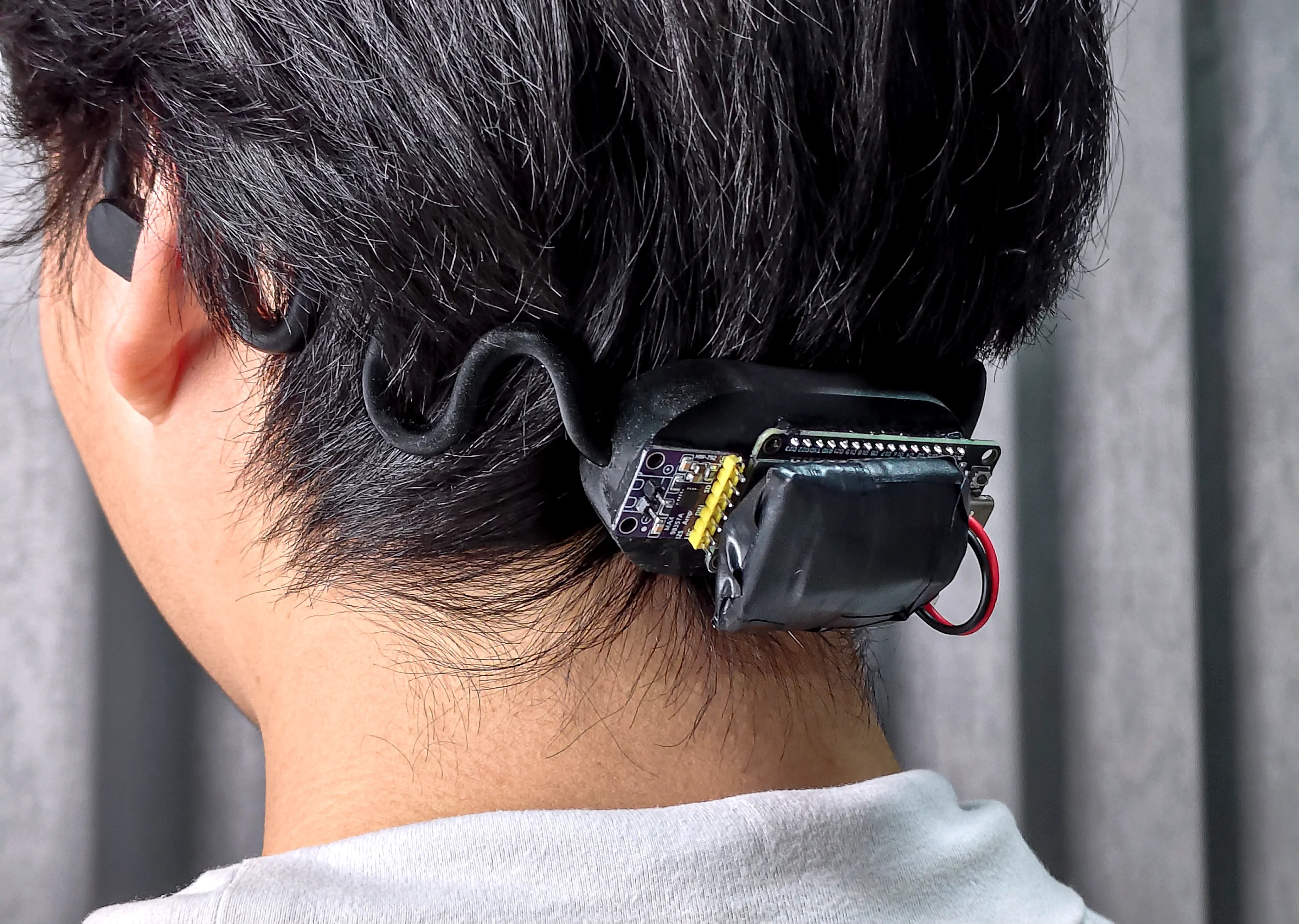
Invisible: 3D Printed Flexible Parametric Pressure-sensing Innovative Structure Design
**Yujie Zhou**, Fan Zhang, Yurui He, Qiruonan Li, Xinyi Tian, Xingguo Yan, Antong Lv
The advent of conductive thermoplastic flaments and multi-material 3D printing has made it feasible to create interactive 3D printed objects. Yet, challenges arise due to the volume constraints of desktop 3D printers and the high resistive characteristics of current conductive materials, making the fabrication of large-scale or highly conductive interactive objects can be daunting. We propose E-Joint, a novel fabrication pipeline for 3D printed objects utilizing mortise and tenon joint structures combined with a copper plating process. The segmented pieces and joint structures are customized in software along with integrated circuits. Then electroplate them for enhanced conductivity. We designed four distinct electrifed joint structures in the experiment and evaluated the practical feasibility and efectiveness of fabricating pipes. By constructing three applications with those structures, we verifed the usability of E-Joint in making large-scale interactive objects and showed the path to a more integrated future for manufacturing.
03
Touchable Pen
03
Touchable Pen
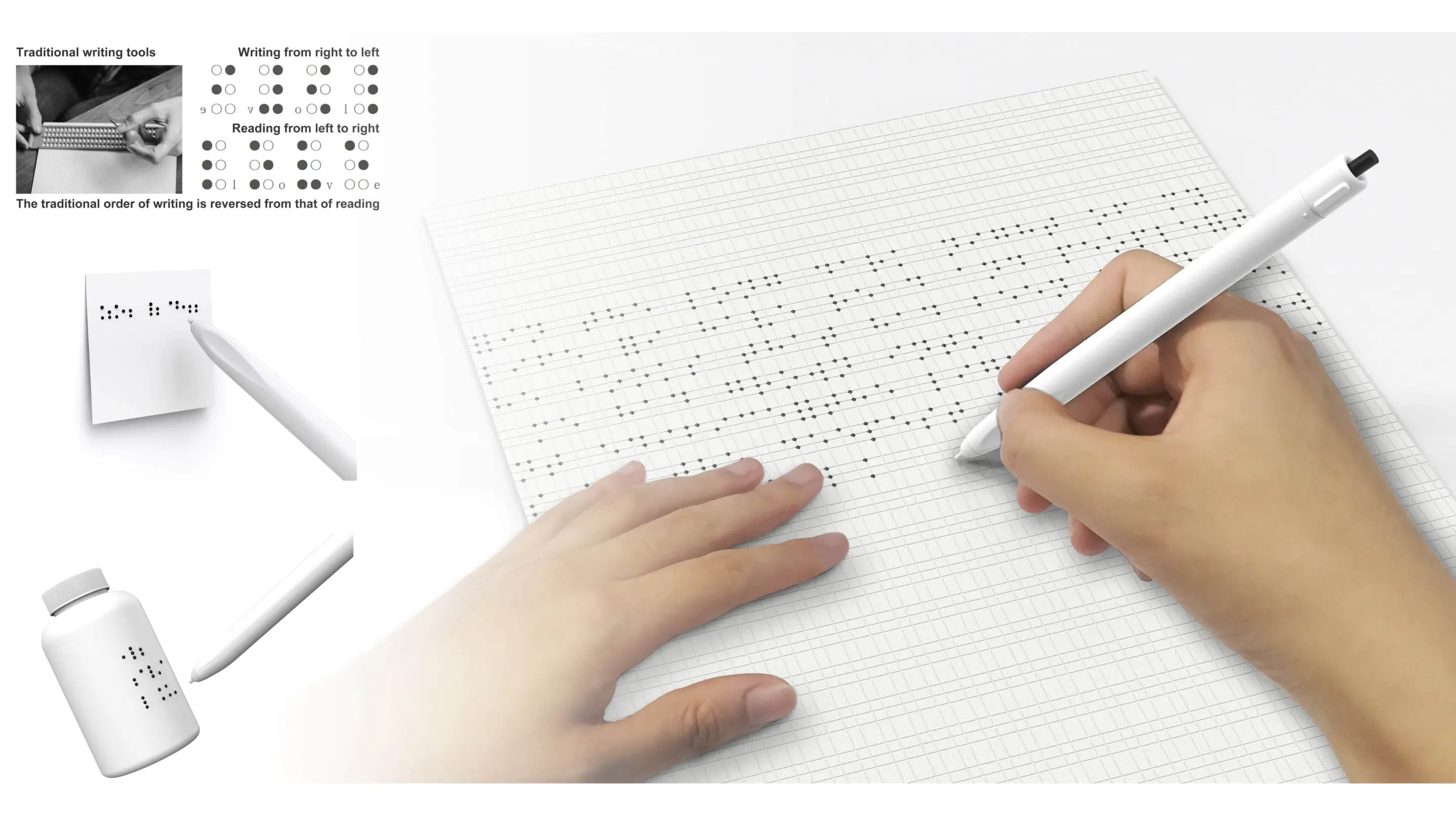
Touchable Pen -- for visually impaired people
Yujie Zhou, Ziyi Wang, Fan Zhang, Antong Lv
Touchable Pen is a writing instrument designed for the visually impaired. Raised Braille dots are printed when the nib touches any surface. It subverts traditional Braille writing, transforming subtractive manufacturing into additive manufacturing, and reverse writing into forward writing. The Touchable Pen uses low-cost technology to improve both the equity and efficiency of the writing experience for blind people.